

Recognizing and Addressing Inauthentic Leadership in Organizations
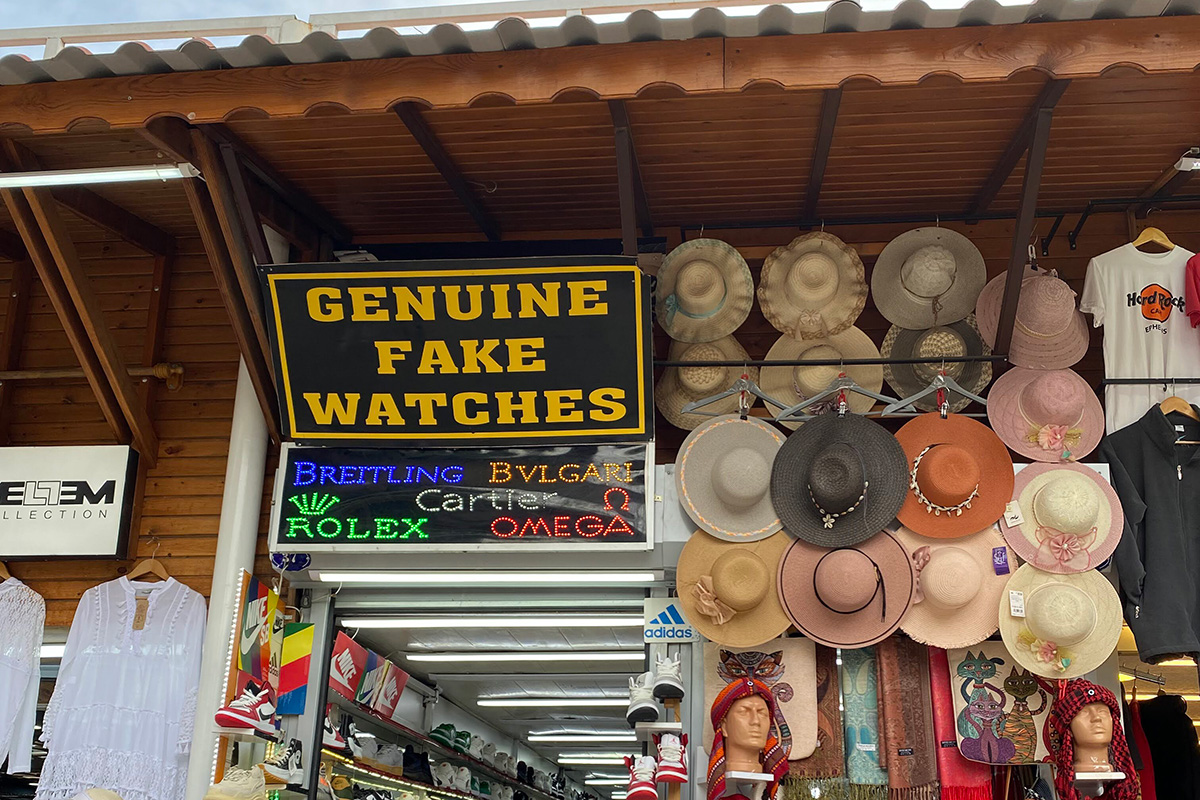
Last fall, while traveling with my family, I walked through a bustling foreign marketplace and spotted a sign that read “Genuine Fake Watches.” It immediately caught my attention, and I couldn’t help but chuckle. Sharing the humor with those around me, we all enjoyed a good laugh.
But then I began to wonder, what if the sign read “Genuine Fake Leadership?” I realized that I could have made several of those signs and hung them outside the offices of a few leaders I’ve worked for or observed over the course of my career. Many of us have likely encountered genuine fake leadership, but how can we recognize it? What are the signs and symptoms of genuine fake leadership?
The paradoxical words, “Genuine Fake,” are meant to lure buyers with the promise of authenticity at a fraction of the price. However, beneath the surface, they signify compromise in quality and genuineness. Similarly, in organizations, we often encounter leaders who appear competent and genuine but lack the true qualities of effective, authentic leadership. This can have profound implications for organizational health and employee morale.
In my experience, genuine fake leaders often possess superficial charm that can initially impress. I know I have been caught in that trap before. However, their charisma lacks substance, as they prioritize personal gain over the organization’s true needs. “Leadership is not about being in charge. It’s about taking care of those in your charge,” says Inc. Magazine. Genuine fake leaders often forget this, focusing instead on their own image and success.
Recognizing Genuine Fake Leadership
Superficial Charisma: Genuine fake leaders often possess a superficial charm that can initially impress. They may appear supportive and involved on the surface, but their interactions lack genuine interest and depth. This can manifest as attending meetings and listening to concerns but failing to follow up with meaningful actions or solutions. I’ve fallen prey to the charisma of some leaders in the past, only to realize they were only seeking personal gain.
Inconsistent Values and Actions: These leaders frequently push, or even produce organizational values like integrity, transparency, and collaboration but fail to practice the values they preach. There is a noticeable gap between what they say and what they do, leading to confusion and mistrust among team members. This behavior is sneaky and can be difficult to detect at first.
Blame-Shifting: When faced with challenges or failures, genuine fake leaders tend to deflect responsibility onto others instead of owning up to their mistakes or inability to truly lead. This lack of accountability undermines their credibility and creates a culture of fear and blame within the organization. Genuine fake leaders love to create strategies, plans, and outcomes for others to deliver upon while avoiding personal accountability. I’ve watched colleagues lose their jobs due to the blame-shifting of genuine fake leaders.
Impact of Genuine Fake Leadership
Erosion of Trust: Trust is a cornerstone of any successful organization. When leaders are perceived as disingenuous, trust erodes, leading to higher turnover and a disengaged, self-protecting workforce. Employees are less likely to go above and beyond when they feel their leader is not genuine.
Stifled Innovation: An environment where blame is shifted and accountability is lacking creates self-protective behaviors, derailing collaboration and innovation. Employees fear taking risks or proposing new ideas if they anticipate being scapegoated for failures.
High Turnover Rates: The instability and presence of genuine fake leadership leads to higher employee turnover. Regardless of pay or benefits, talented individuals will leave organizations where they do not feel valued or supported by authentic leadership.
A significant statistic on the impact of genuine fake leadership is that only 26% of leaders create psychological safety for their teams, according to a McKinsey study. “Psychological safety, where team members feel they can take interpersonal risks and still be respected and accepted, is crucial for high-performing work environments. The lack of psychological safety can lead to decreased employee engagement, innovation, and overall performance.”
In future articles I will explore further how to personally avoid the traps of genuine fake leadership. Leadership is difficult, often lonely and requires incredible self-discipline. Genuine fake leadership, much like a “Genuine Fake Watch,” may look appealing on the surface but ultimately lacks the substance and quality required for long-term success. By recognizing the signs of inauthentic leadership and striving towards genuine, authentic practices, organizations can build more resilient, innovative and engaged workplaces.