

If you listen to music, Rick Rubin is probably responsible for some of your favorite songs. As one of the most successful music producers in history, he’s on the list of Time’s 100 most influential people in the world. In his book, The Creative Act, he writes:
“Creativity is not a rare ability. It is not difficult to access. Creativity is a fundamental aspect of being human. It’s our birthright. And it’s for all of us.”
Rick Rubin
That paragraph would stand in contrast to a lot of workplaces today. Just get to work. Do what you’re told. Fall in line. Produce more with less. Hit your goals/metrics/quotas. We’ve gotten really good at minimizing every facet of the variables that make us human for the sake of extracting the highest amount of employee productivity. And that’s how it’s been for a long time. In many ways, it seems like that’s how it should be, right?
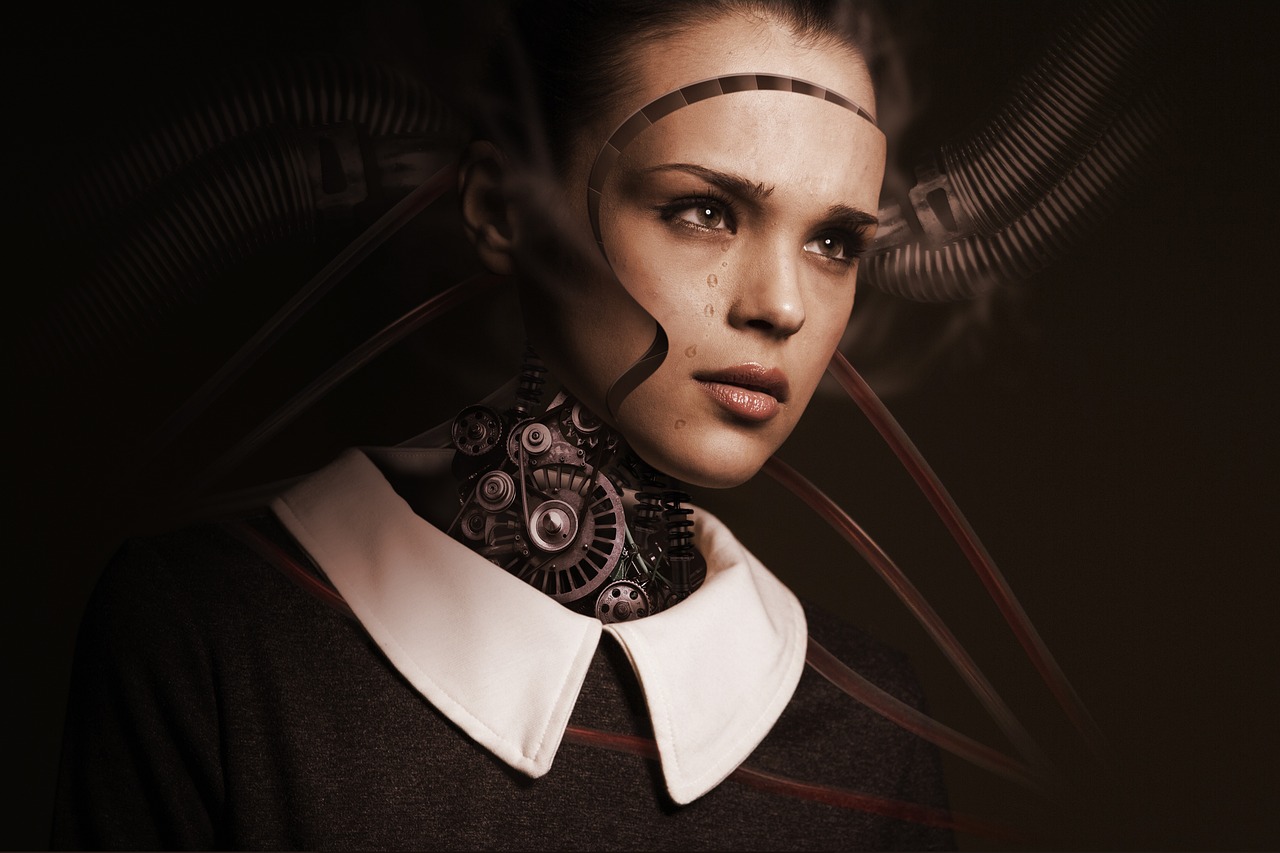
Employees are getting paid to produce things, so the focus should be on that production. The more we can optimize every part of the human machine for work, the more we profit. Except. Except that puts us all in a state of constant stress as we respond to what feels like an ever present threat… especially in a world with AI. Because when we’re treated like machines, we function like machines. And deep down we know that machines will always be better machines than we will.
Creativity Is The Future
Throughout history, there’s been a fear that technology would replace human jobs. Instead, it merely DISplaced them. Technological advancements that take the place of a human in the workforce shift the human role to one of higher creativity. With the invention of the wheel, humans could stop carrying hundreds of loads themselves, and instead focus on designing better carts, finding more innovative ways to work in tandem with their animals, or writing down what they observe along a journey. As agriculture and manufacturing technology expanded efficiency, jobs moved to the more dynamic and creative service industry. As the internet slowed the demand for traditional information delivery, such as post mail, telephone conversations, or library research, social media content creators and independent blog publishers became viable career paths.
With AI, we are facing a technological disruption to productivity like one we’ve never seen before. But like we’ve seen many times before, this disruption will be met with a vast expansion of creative needs.
Lean In To Humanity
In the transitional period, we are faced with a conundrum: to make our workplaces the ones who foresee, nurture, and make a place for the creative, while also maintaining profitability, productivity, and job functions until the technological disruption is ready.
Let’s face that conundrum by leaning into our humanity.
To do so requires a departure from how we’ve been taught workplaces need to be. It requires less rules, less rigidity, less control, and more amplification of those variables that make us human. Here’s a few to start with:
- Emotion – Emotions are the single greatest influencer of action that we have. Create an environment that cultivates and understands healthy emotion to wield stronger influence.
- Purpose – Our purpose is our why. When aligned with a strong why, work flows with passion, and we unlock a tenacity and ingenuity impossible to replicate by a machine. When you connect people with purpose, they give you something you can never get with more bonus money: care.
- Autonomy – When we know that responsibility falls on our shoulders, and we have the authority to make a difference in that responsibility, we tune in. We consider all the factors. Give more autonomy to the people closest to the work and they will see things you never could have.
- Intuition – That sense you get when someone walks into a room and you just feel sadness, or joy, or pressure, or fear? That’s your intuition. It’s your 6th sense. And it communicates things of incredible power. And it’s something no machine can ever sense. Listen to and add discernment to intuition to play the game of work with cheat codes.
- Trust – The impossible is accomplished by those that trust it is possible. Powered flight emerged from the belief of a few that what we thought only accessible to birds was accessible to humans. When all the machines tell you something can’t be done, trust is how you continue creating magic in the world.
- Failure – Machines are precise. They are created with engineering or algorithms to minimize mistakes at all costs. Humans require mistakes to grow. And through failure over and over again, we emerge on the other side resilient and capable. Fail fast, fail cheap, and never stop learning from the failure.
- Humor – A laugh in a tense moment can break open a stalemate, and shared humor can bring enemies together. Find the ingredients of humor that work in your organization and infuse them into moments when you need a morale boost, to get unstuck, or to shift the energy.
- Seasonality – Machines are always on. Humans, not so much. We all hit seasons. Sometimes we have high energy and are extremely productive. Other times, we need to rest and recharge. Learn to ride the wave of seasons, and you’ll find work flows so naturally that nothing feels forced.
What’s amazing is when we do this, the productivity will follow. Sure, we may not have as MUCH that’s produced (because we’re spending time in places that aren’t directly related to production), but what is produced will be BETTER. And our best employees will not only see their place in our organizations long-term, they will WANT to be here.